
1
Statement of Cash Flows
For Single Company
Chapter
4
2
4.1
Single company statement of cash flows
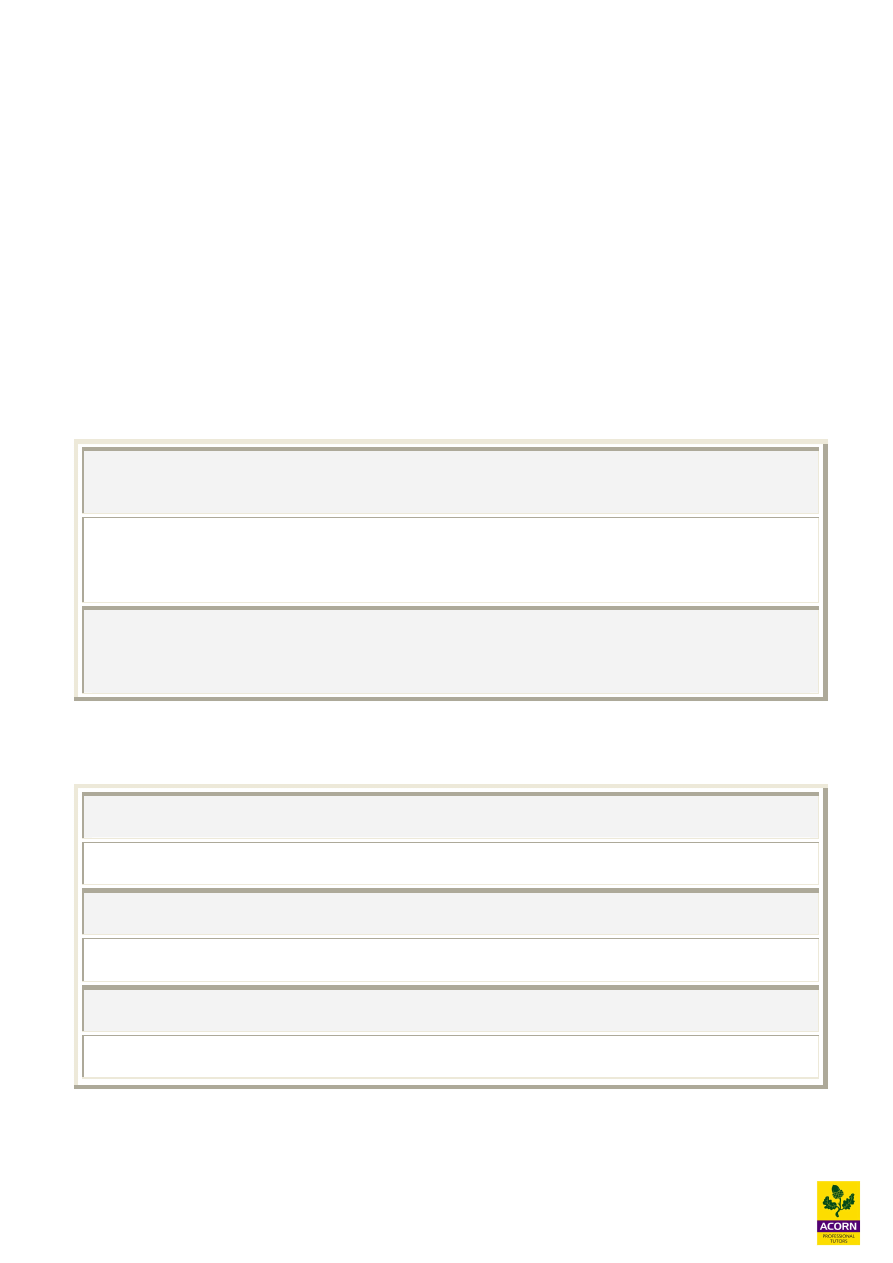
Statement of cash flows are primary financial statements and are required along side the income
statement and statement of financial position. Cash is the fuel of a business, without which
business will suffer financial stress.
A business can be a very profitable one, but if it’s unable to generate cash as quickly as it is
generating profits, then it will face problems (how will it pay its suppliers and employees?).
IAS 7 deals with statement of cash flows; it’s a period statement and shows all the cash inflows
and outflows during the accounting period.
Statement of cash flows provides users information, which is not available from statement of
financial position and income statement.
The statement of cash flows helps users of the accounts in assessing how well the business is
generating cash.
It shows the relationship between the profitability and cash generated, therefore comparisons can
be made with other organisations, without having to worry about different accounting policies
(which affect the profit figure)
The statement of cash flows will also show how liquid the business is and from past statement of
cash flows, the history can be established, which will highlight any problems to the user of the
accounts.
Format of statement of cash flows
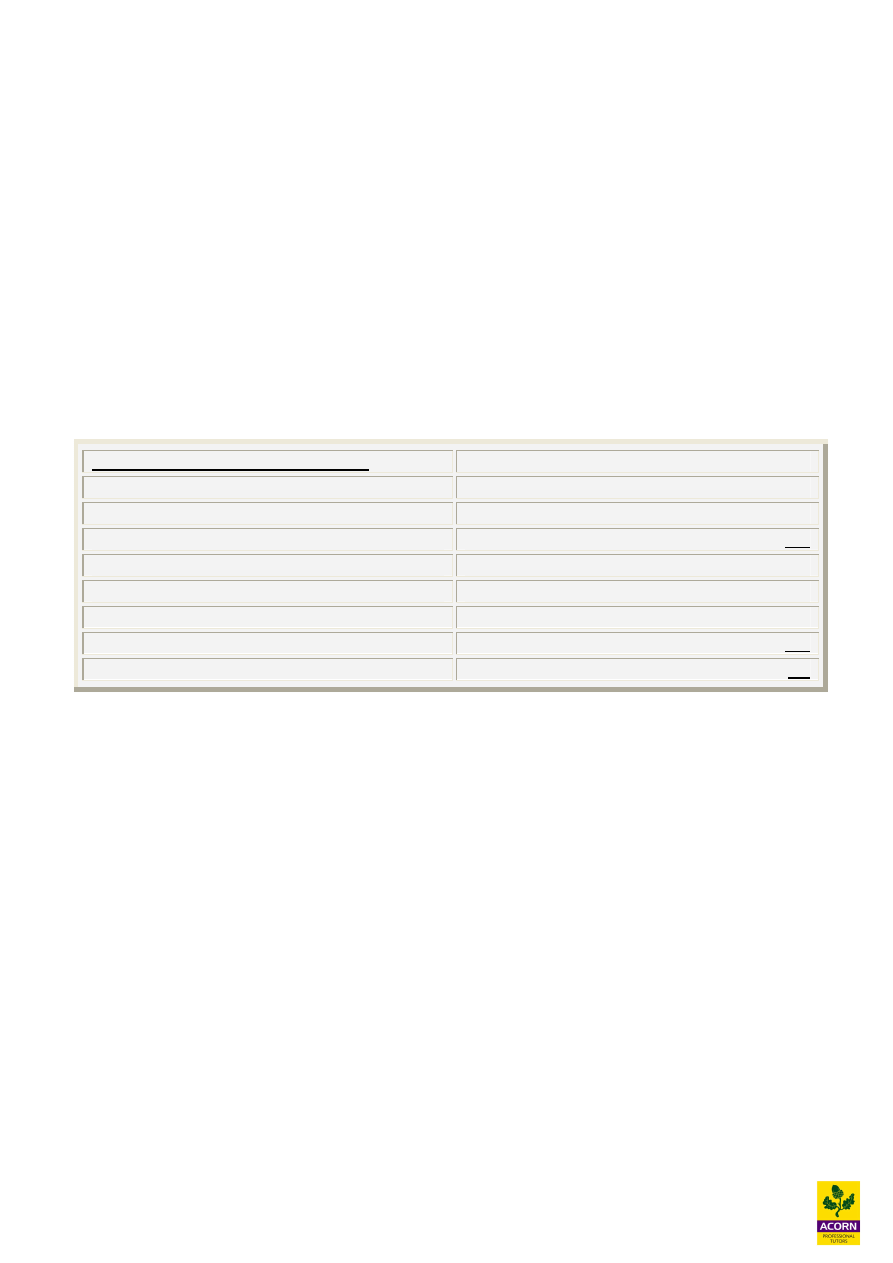
The main headings of the statement of cash flows as per IAS 7 are:
Cash flow from operating activities
Cash flow from investing activities
Cash flow from financing activities
Net increase in cash and cash equivalents
Cash and cash equivalents at the beginning of the period
Cash and cash equivalents at the end of the period
3
It is necessary to group cash flows in the main 3 headings according to whether they relate to
operating, investing or financing activities. Under the main headings will be details of the
individual type’s cash flows
Let’s now look at each of the main headings in details
1
Cash flow from operating activities
The cash flows from the businesses core activities are detailed here. There are 2 methods which
IAS 7 allows in calculating cash flow from operating activities:
Method 1 – Direct method
The direct method shows operating cash receipts and payments made during the period. To the
users of the account this gives details of exactly where the cash has come from and where it has
been spent.
Cash flows from operating activities
$
Cash received from customers
X
Cash paid to suppliers and employees
(X)
Other operating expenses
(X)
Cash generated from operations
X
Interest paid
(X)
Income taxes paid
(X)
Dividends paid
(X)
Net cash flow from operating activities
X
The information required for the direct method can usually be obtained from accounting records.
Method 2 – Indirect method
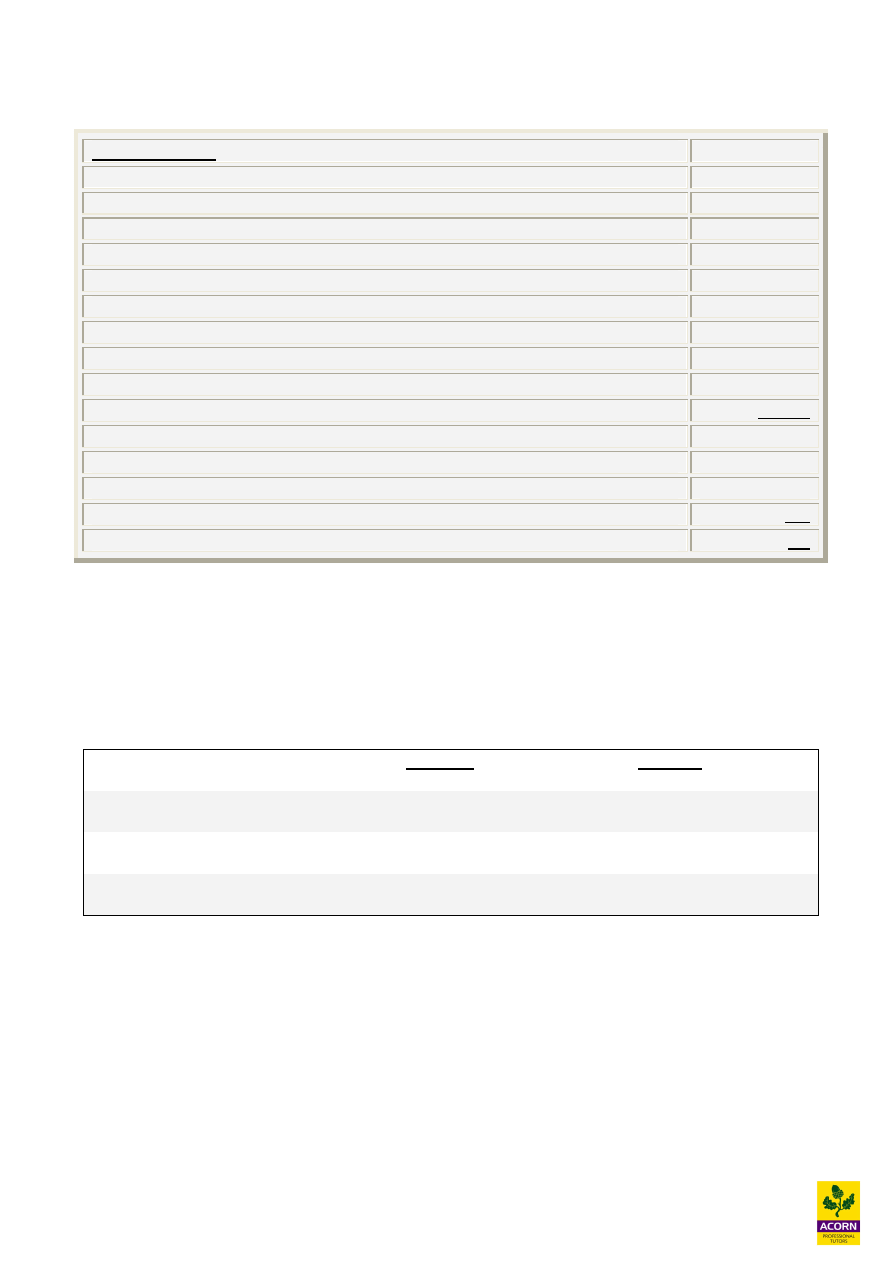
The indirect method is what you will probably be familiar with. It requires a lot less information to
produce it, and therefore can be argued to be the easier method.
With the indirect method, the profit before taxation (or profit before interest and tax) is taken from
the income statement and adjusted for non cash items (i.e. depreciation, provisions). It is also
adjusted for profit or loss on disposal of assets. Other items which will be classified under
investing or financing are also adjusted for. Finally adjustments are made for the changes during
the period in inventories, trade and other receivables and payables. This requires looking at the
current and prior year’s statement of financial position.
4
Indirect method
$
**Profit before taxation
X
Adjustment for:
Depreciation and amortisation
X
Finance cost
X
Interest income
(X)
Profit on sale of asset
(X)
Working capital changes
(Increase) decrease in inventories
(X) / X
(Increase) decrease in trade and other receivables
(X) / X
Increase (decrease) in trade payables
X / (X)
Cash flow from operating activities
X
Interest paid
(X)
Income taxes paid
(X)
Dividends paid
(X)
Net cash flow from operating activities
X
** Profit before interest and taxation can also be used here as well as profit for the period.
Whichever figure is taken it’s important than to adjust for the relevant items accordingly (i.e. if
using profit for the year adjust for income tax expense and finance charge shown in the income
statement – the cash outflows for these are then calculated later on the statement of cash flows).
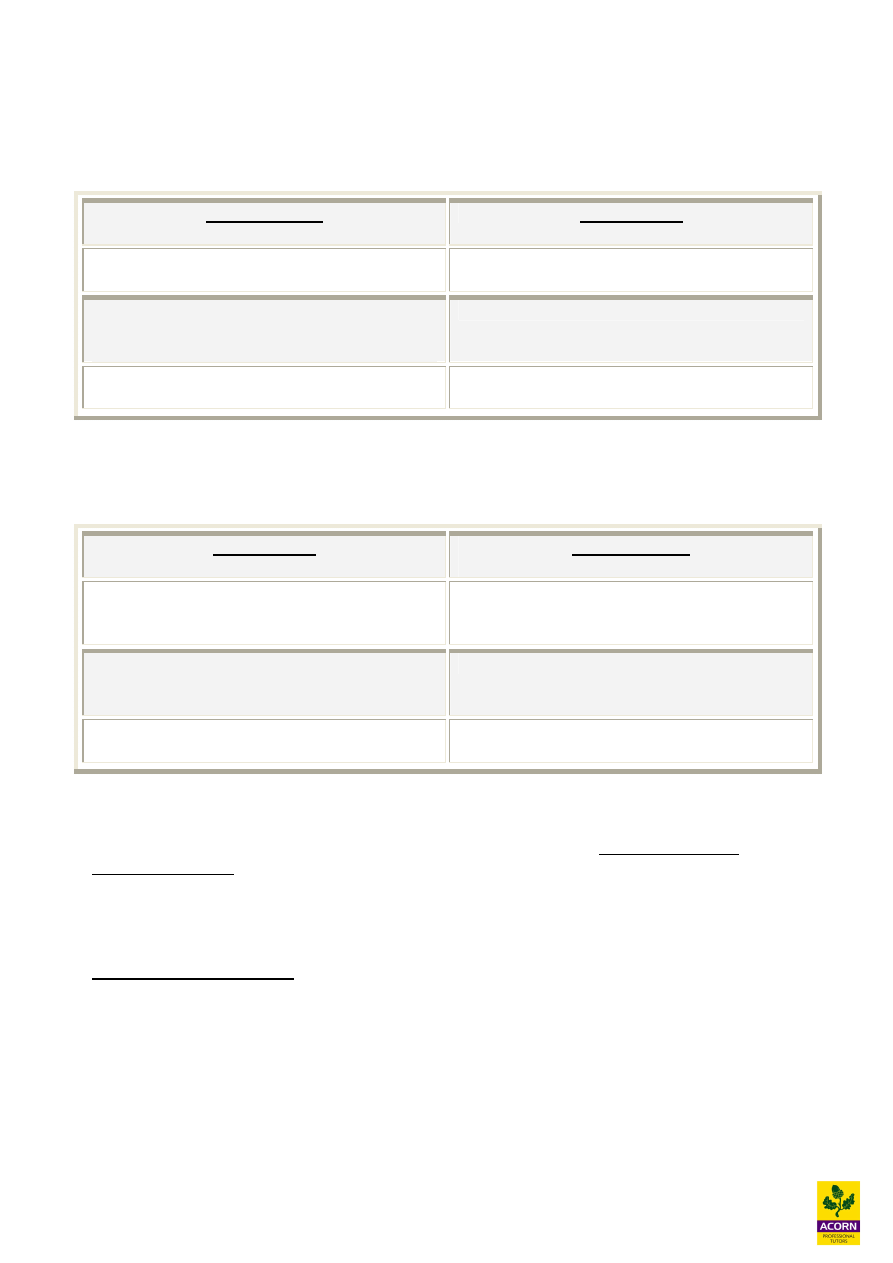
Movements in working capital
The year-end balances of inventories, trade and other receivables and payables are taken for current
year-end and last year-end statement of financial position
Decrease
Increase
Inventories
Cash inflow
(Cash outflow)
Receivables
Cash inflow
(Cash outflow)
Payables
(Cash outflow)
Cash inflow
§ An increase in inventories means that more cash has been spent to acquire the inventories;
therefore it is a cash outflow.
§ A decrease in inventories means less cash has been used to acquire inventories; therefore it is a
cash inflow.
§ An increase in trade receivables’ means that more credit customers are taking credit or taking
longer to pay, which means less cash for the company, therefore cash outflow.
§ A decrease in trade receivables means less credit customers, therefore cash inflow.
§ A decrease in trade payables means the business is paying the suppliers quicker, resulting in
cash outflow.
§ An increase in trade payables means the business is taking longer to pay the suppliers, therefore
holding the cash in the business longer, meaning it’s a cash inflow.
5
2 Cash flow from investing activities
The items included in this heading are:
Cash payments
Cash receipts
Acquiring property, plant and equipment
Sale of property, plant and equipment
Capitalising developing expenditure and cash
payments for other intangible assets
Sale of shares in other entities
Acquisition of shares (equity) in other entities
Investment income
3
Cash flows from financing activities
The items included in this heading are:
Cash receipts
Cash payments
Cash receipts from issuing new shares (rights
or full market issue)
Cash payments to redeem debt
Cash received from issuing debentures, bonds
or from a loan (short and long term)
Cash payments to redeem or buy back shares
Capital repayment of a finance lease
4
Dividends and interest payments
The payment of dividends and interest can either be shown under financing activities or under
operating activities.
The sum of the 3 main heading shows the net increase or decrease in cash during the period, the
opening and closing balances of cash and cash equivalents complete the statement of cash flows.
Cash and cash equivalents include:
§ Bank and cash balances
§ Short term investments which are highly liquid and can be converted into cash within 3
months. Cash equivalents will be shown under current assets in the statement of financial
position.
6
4.2
The calculations for the cash flows
The actual amount of cash paid or received during the period needs to be established. This can get
quite tricky as there will be accruals bought forward, carried forward and prepayments bought
forward and carried forward. There will also be transactions which do not affect cash flow like
depreciation and re-valuations.
The best way of doing this is to set up a “T” account, fill in all the relevant information and the
balancing figure will be the cash figure. For the direct method, “T” accounts can also be used to
establish cash payments to suppliers, receipts from customers etc.
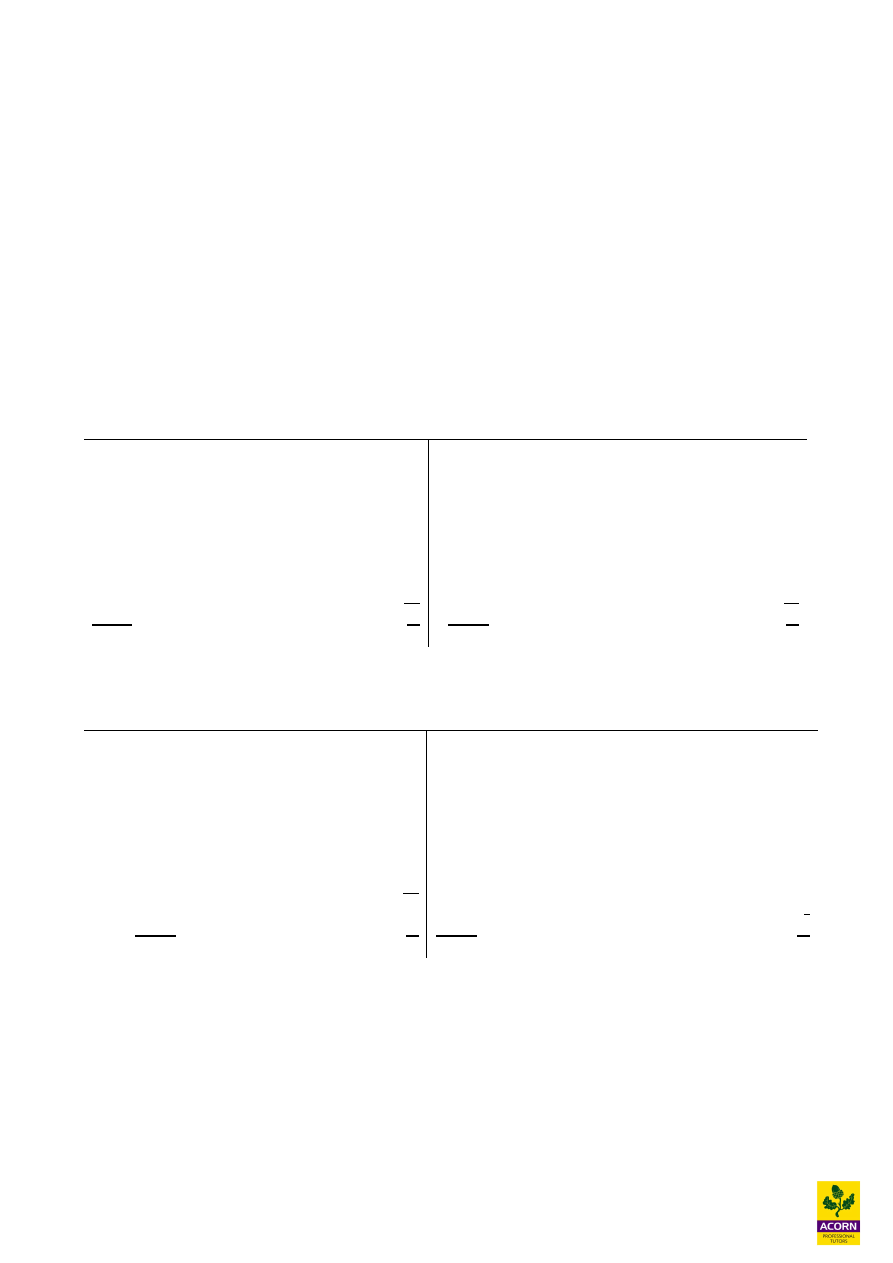
Examples of “T” accounts to establish cash flow
1
Non-current assets
Non-current assets (net book / carrying value)
Bal b/f
X
Disposals
X
Revaluations
X
Depreciation
X
Finance leases
X
Impairments
X
Additions (bal fig) cash paid
X
Bal c/f
X
-
-
Total
X
Total
X
2
Interest payable
Interest payable
Bal b/f
X
Cash paid (bal fig)
X Income statement charge for the year
X
Bal c/f
X
-
-
Total
X Total
X
7
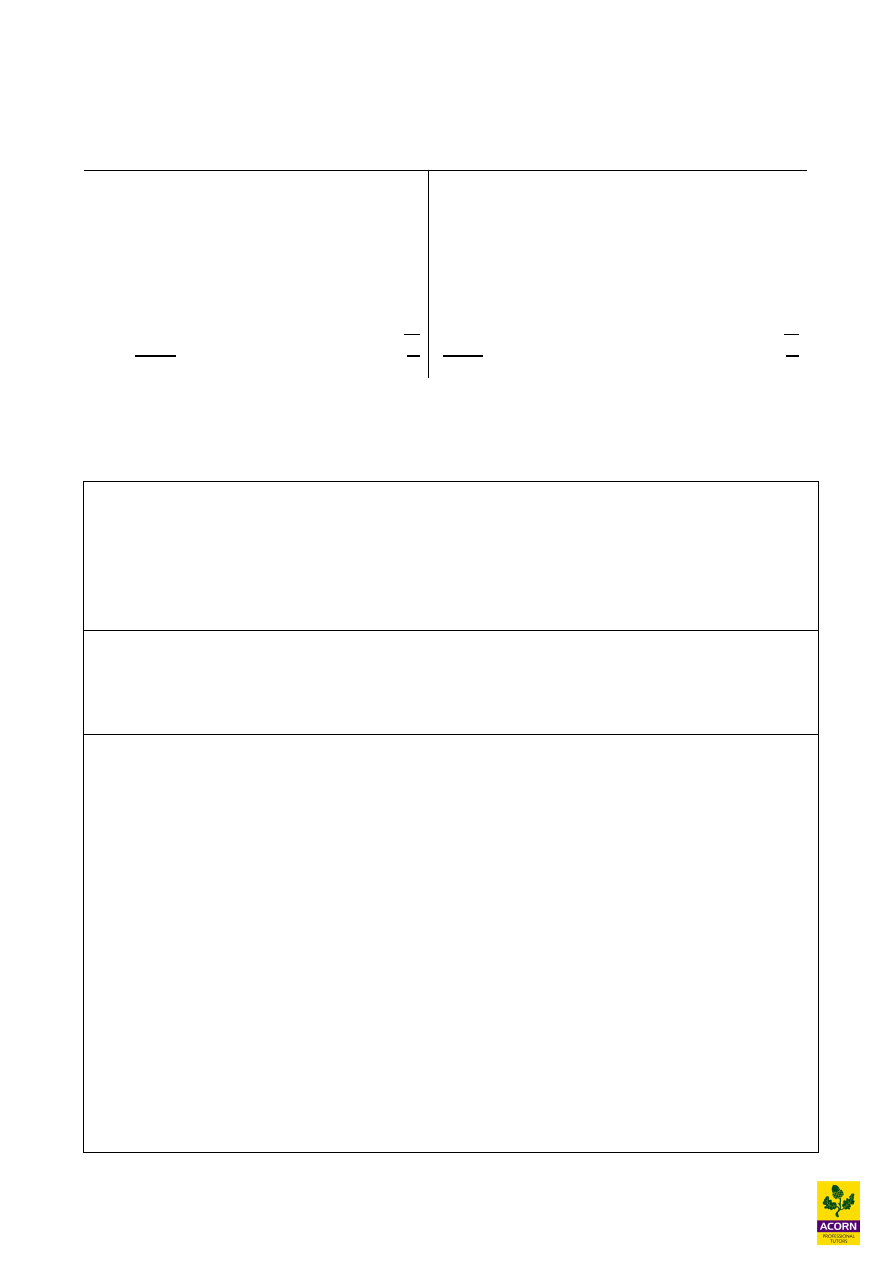
3
Interest receivable
Interest receivable
Bal b/f
X
Income statement
X
Cash received (bal fig)
X
Bal c/f
X
-
-
Total
X Total
X
Hint: For assets balances bought forward are always on the debit side (therefore balances carried
forward on the opposite credit side). For liabilities balances bought forward are always on the
credit side (therefore balances carried forward on the debit side).
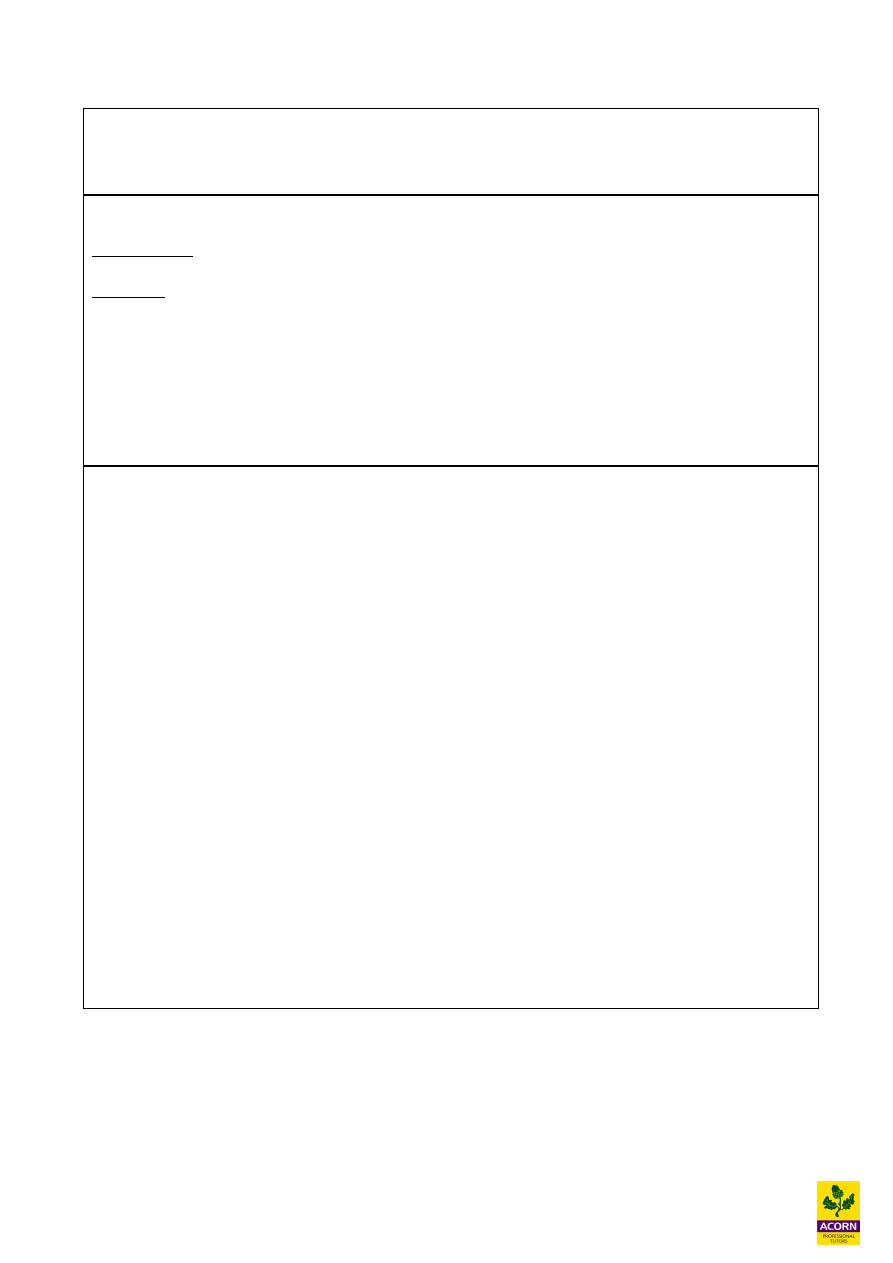
Lecture example 4.1
The opening balance for property, plant and equipment account was £85 million (carrying value)
and the closing balance was £150 million (carrying value).
During the year disposal was:
£m
Original cost
10
Accumulated
depreciation
8
Sales proceeds
3
§
Revaluation of property resulted in an increase of £2 million.
§
New finance leases of £16 million were also capitalised.
§
Depreciation of £15 million was charged to the income statement for the period.
What is the cash flow that will appear in investing activities in the statement of cash flows relating
to non-current assets?
8
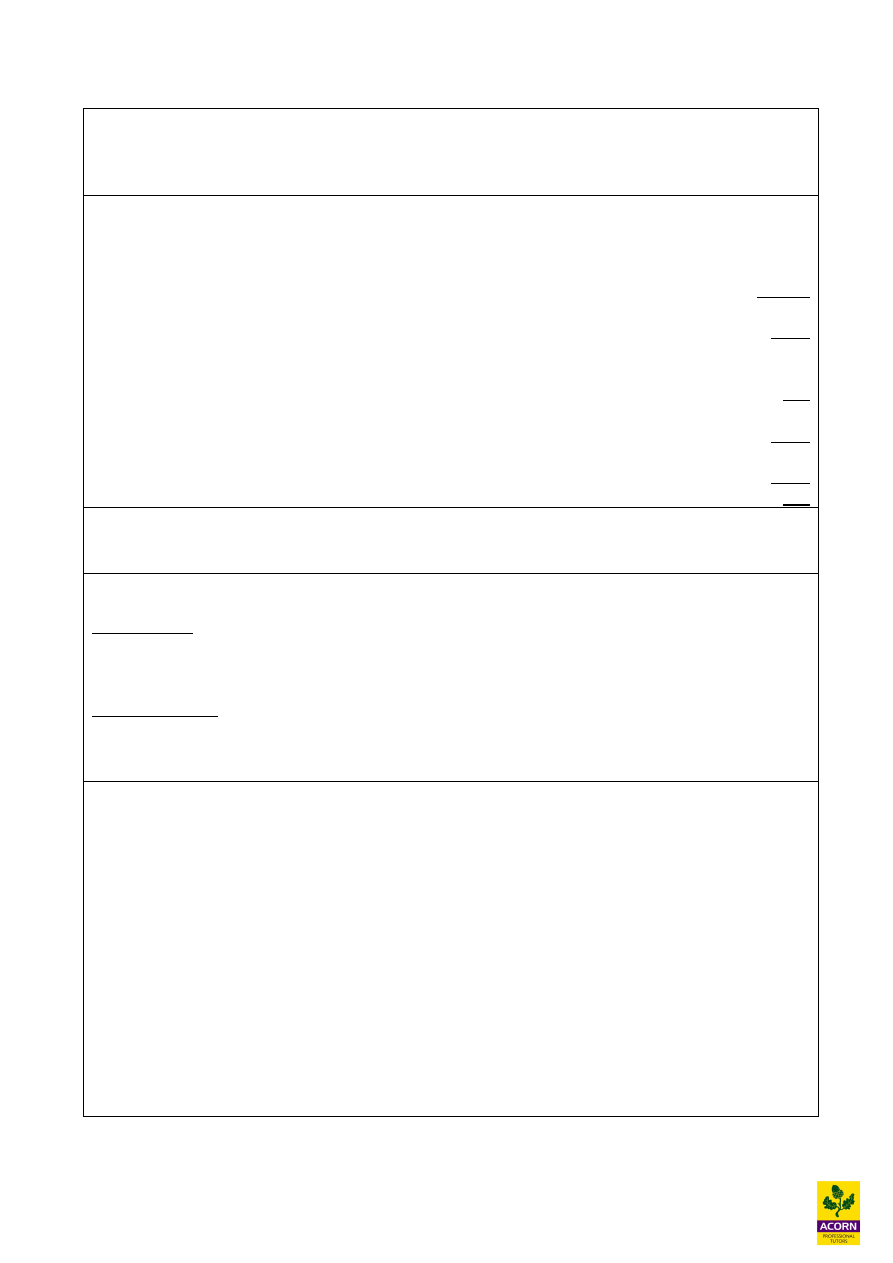
Lecture Example 4.2
The following are extracts from Grant plc financial statements
Statement of financial position
20X6
20X5
£’000
£’000
Current assets
Investment income receivable
25
15
Liabilities
Defer taxation
80
50
Income tax payable
850
800
Interest payable
500
450
Income statement for period ending 20X6
£’000
Investment income
40
Finance cost
800
Income tax expense
900
What are the cash flows that would be appear in the statement of cash flows for Grant plc for year
ending 20X6?
9
Lecture Example 4.3
The following are extract financial statements of Ali Ltd
Income statement for year ending 31
st
March 20X5
£’000
Sales revenue
5,200
Cost of sales
(3,000)
Gross profit
2,200
Admin and selling expenses
(900)
Operating profit
1,300
Interest expense
(200)
Investment income
500
Net profit before tax
1,600
Income tax expense
(300)
Profit for the year
1,300
Dividends
(500)
Retained profit for the year
800
Statement of financial position extracts as at:
20X5
20X4
£’000
£’000
Current assets
Inventories
2,000
2,500
Receivables
1,500
1,375
Current liabilities
Trade payables
(1,400)
(1,875)
Income tax
(100)
(200)
Other information
Depreciation of £50,000 has been charged to the cost of sales in the income statement.
Requirement
Calculate the operating cash flow as per IAS 7 using the direct method
(Assume that interest expense is part of the operating activities)
10
Tutor note: Objective test questions and integrated case study will not require you to
complete a whole set of financial statements. However it is imperative that you practice
questions preparing financial statements in order to understand the whole process. This will
then help with the answering shorter questions in objective tests and integrated case study.
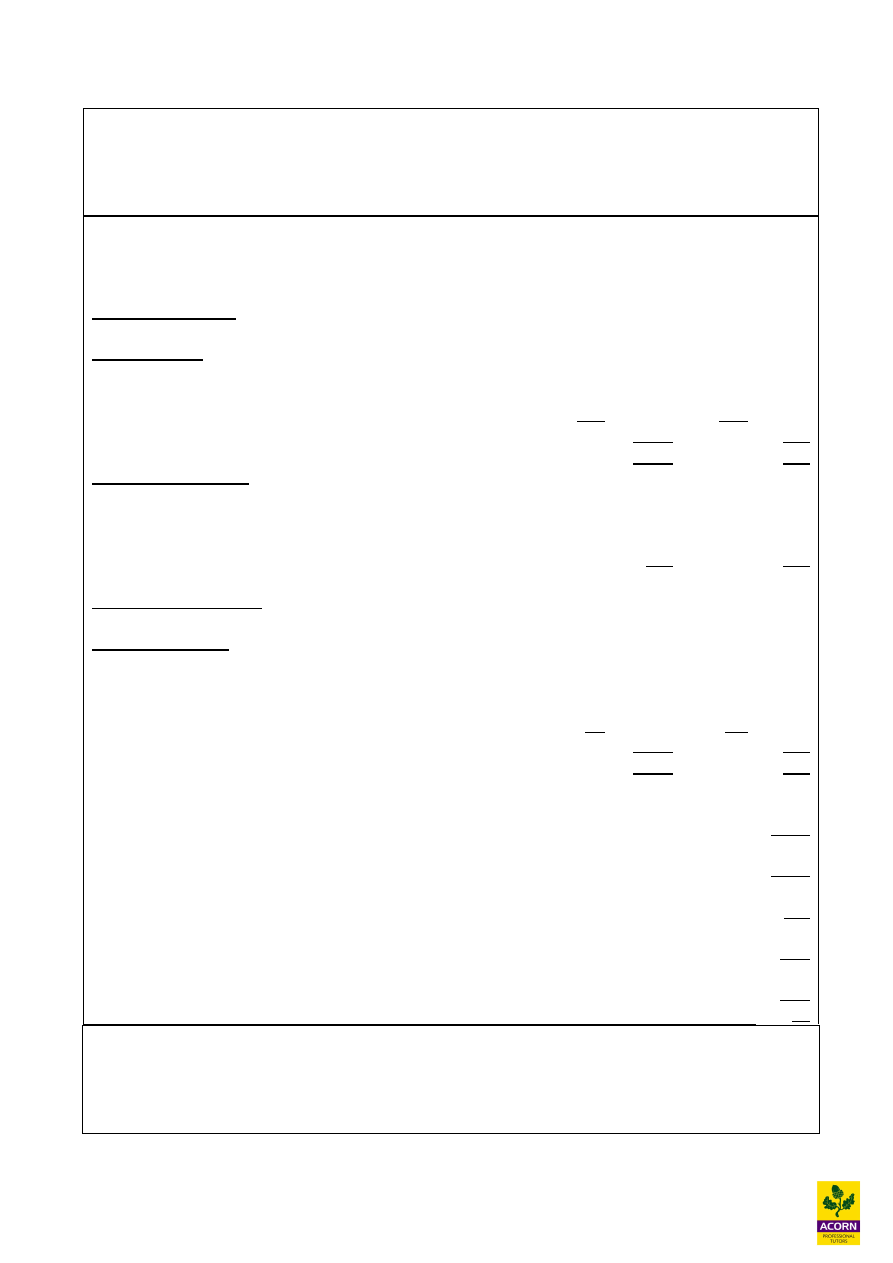
Step by step approach to completing a statement of cash flows
Step 1
Set out pro forma, using a whole side of paper leaving lots of spaces between the 3
main headings of operating, investing and financing activities.
Step 2
Set up a workings page and read through all the additional information. Also make
notes to see how they affect the statement of cash flows.
Step 3
Complete the operating activities section (using the method instructed by the
question either direct or indirect). Incorporating interest and taxation cash flows
if necessary.
Step 4
Complete the investing activities section by looking at the non current assets. Make
sure you take account of both tangible and intangible non current assets.
Step 5
Complete the financing section by looking at share capital, long term debt and
capital element of finance leases.
Step 6
Finally review the income statement and statement of financial position to ensure all
items have been dealt with. Complete the remaining statement of cash flows, and
double check that the increase or decrease in cash and cash equivalents during the
period, corresponds to the movement in cash and cash equivalent balances in the 2
statement of financial position.
11
Lecture Example 4.4
The summarised accounts of the Comworld plc for the year ended 31 December 20X4 are as
follows:
Statement of financial position at 31 December:
20X4
20X3
£’000
£’000
£’000
£’000
Non-current assets
Plant, property and equipment
628
514
Current assets
Inventories
214
210
Trade receivables
168
147
Bank
7
-
389
357
1,017
871
Capital and reserves
Share capital (£1 ordinary shares)
250
200
Share premium account
70
60
Revaluation reserve
110
100
Profit and loss account
314
282
744
642
Non-current liabilities
10% debentures
80
50
Current liabilities
Trade payables
136
121
Income tax payable
39
28
Dividends payable
18
16
Bank Overdraft
-
14
193
179
1,017
871
Income statement for year ending 31
st
December 20X4
Sales revenue
600
Cost of sales
(319)
Gross profit
281
Other operating expenses
(186)
Operating profit
95
Finance cost
(8)
Profit before tax
87
Income tax
(31)
Profit after tax
56
Dividends
(24)
Retained profit for the year
32
Other information
§
Other operating expenses include depreciation of £42,000.
§
There have been no disposals of non-current assets during the year.

12
Requirement
Prepare a statement of cash flows in accordance with IAS 7, using the indirect method.
13
Key summary of chapter “statement of cash flows for single company”
IAS 7 deals with statement of cash flows; it’s a period statement and shows all the cash inflows and
outflows during the accounting period.
Statement of cash flows provides users information, which is not available from statement of
comprehensive income and statement of financial position.
The statement of cash flows helps users of the accounts in assessing how well the business is
generating cash.
It shows the relationship between the profitability and cash generated; therefore comparisons can
be made with other organisations, without having to worry about different accounting policies
(which affect the profit figure)
The statement of cash flows will also show how liquid the business is and from past cash flow
statements, the history can be established, which will highlight any problems to the user of the
accounts.
Format of statement of cash flows
The main headings as per IAS 7 are:
Cash flow from operating activities
Cash flow from investing activities
Cash flow from financing activities
Net increase in cash and cash equivalents
Cash and cash equivalents at the beginning of the period
Cash and cash equivalents at the end of the period
14
Cash flow from operating activities - there are 2 methods which IAS 7 allows in calculating cash
flow from operating activities:
Method 1 – Direct method
The direct method shows operating cash receipts and payments made during the period. To the
users of the account this gives details of exactly where the cash has come from and where it has
been spent.
Cash flows from operating activities
$
Cash received from customers
X
Cash paid to suppliers and employees
(X)
Other operating expenses
(X)
Cash generated from operations
X
Interest paid
(X)
Income taxes paid
(X)
Dividends paid
(X)
Net cash flow from operating activities
X
Method 2 – Indirect method
With the indirect method, the profit before taxation (or profit before interest and tax) is taken from
the statement of comprehensive income and adjusted for non cash items (i.e. depreciation,
provisions). It is also adjusted for profit or loss on disposal of assets. Other items which will be
classified under investing or financing are also adjusted for. Finally adjustments are made for the
changes during the period in inventories, trade and other receivables and payables. This requires
looking at the current and prior year’s statement of financial position.
Indirect method
$
**Profit before taxation
X
Adjustment for:
Depreciation and amortisation
X
Finance cost
X
Interest income
(X)
Profit on sale of asset
(X)
Working capital changes
(Increase) decrease in inventories
(X) / X
(Increase) decrease in trade and other receivables
(X) / X
Increase (decrease) in trade payables
X / (X)
Cash flow from operating activities
X
Interest paid
(X)
Income taxes paid
(X)
Dividends paid
(X)
Net cash flow from operating activities
X
15
Cash flow from investing activities
The items included in this heading are:
§ Acquiring property, plant and equipment.
§ Capitalising developing expenditure and cash payments for other intangible assets
§ Acquisition of shares (equity) in other entities
§ Sale of property, plant and equipment
§ Sale of shares in other entities
Cash flows from financing activities
The items included in this heading are:
§ Cash receipts from issuing new shares (rights or full market issue).
§ Cash received from issuing debentures, bonds or from a loan (short and long term)
§ Cash payments to redeem debt.
§ Cash payments to redeem or buy back shares.
§ Capital repayment of a finance lease.
Dividends and interest payments
The payment of dividends and interest can either be shown under financing activities or under
operating activities.
Cash and cash equivalents include bank & cash balances, short term investments which are
highly liquid and can be converted into cash within 3 months. Cash equivalents will be shown
under current assets in the balance sheet.
Using “T” accounts helps establishing cash flows.
Adopt a step by step technique for maximising marks.
16
Solutions to Lecture Examples
Solution to Lecture example 4.1
Non-current assets (carrying value)
£’m
£’m
Bal b/f
85
Disposals (10-8)
2
Revaluations
2
Depreciation
15
Finance leases
16
Additions (bal fig) cash paid
64
Bal c/f
150
-
-
Total
167
Total
167
Cash flow will be
Cash additions
(£64) m
Sales proceeds
£ 3 m
Net cash outflow
(£61) m
Solution to Lecture Example 4.2
Income tax (IT) payable and defer tax (DT)
Bal b/f - IT
800
Bal b/f – DT
50
Cash paid (bal fig)
820 Income statement charge
for the year
900
Bal c/f – IT
850
Bal c/f – DT
80
-
Total
1,750 Total
1,750
Interest payable
Bal b/f
450
Cash paid (bal fig)
750 Income statement charge
for the year
800
Bal c/f
500
-
-
Total
1,250 Total
1,250
17
Solution to Lecture Example 4.2 cont……
Investment income receivable
Bal b/f
15
Cash received (bal fig)
30
Income statement
40
Bal c/f
25
-
-
Total
55 Total
55
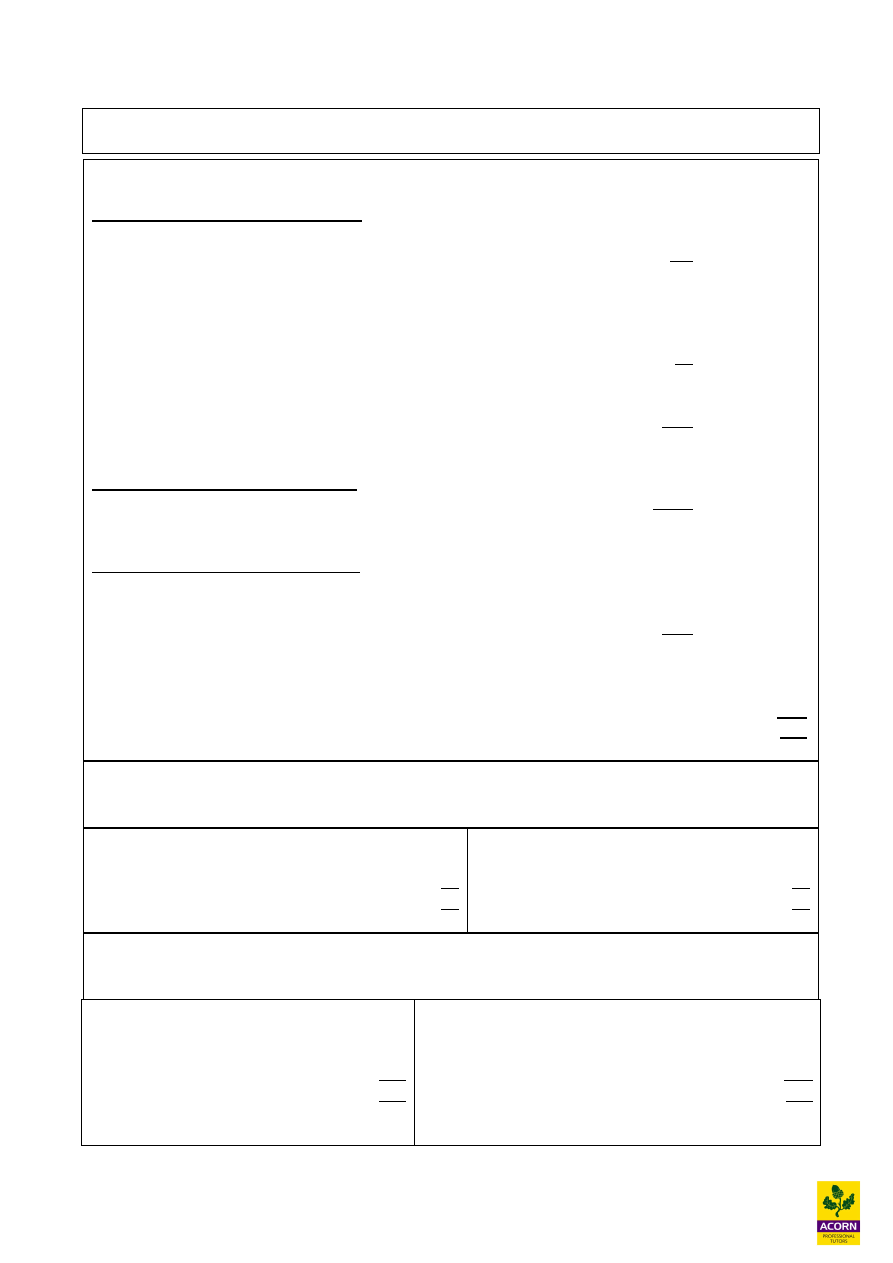
Solution to Lecture Example 4.3
Cash flow from operating activities (direct method)
£’000
Cash received from customers (W1)
5,075
Cash paid to suppliers (W2)
(2,925)
Cash paid for other operating expenses (W3)
(900)
Cash generated from operations
1,250
Interest paid (W4)
(200)
Income taxes paid (W5)
(400)
Net cash flow from operating activities
650
Working 1 – Cash received from customers
Trade receivables
Bal b/f
1,375
Income statement revenue
5,200
Cash received (bal fig)
5,075
Bal c/f
1,500
-
-
Total
6,575 Total
6,575
18
Solution to Lecture Example 4.3 cont…..
Working 2- Cash paid to suppliers
This requires 2 workings. Firstly establish the purchases for the year using the cost of sales and
opening and closing inventory, then from the trade payables establish how much has been paid to
suppliers.
Inventories
Bal b/f
2,500
Income statement cost of
sales
3,000
Purchases (bal fig)
2,500
Bal c/f
2,000
-
-
Total
5,000 Total
5,000
But the cost of sales includes depreciation of £50,000, so therefore the correct purchases for the
year are:
£2,500,000 – 50,000 = £2,450,000
Trade payables
Bal b/f
1,875
Purchases
2,450
Cash paid (bal fig)
2,925
Bal c/f
1,400
-
-
Total
4,325 Total
4,325
Working 3 – Cash for other operating expenses are for admin and other expenses. As there is no
accruals b/f or c/f, the cash paid is the charge to the income statement.
Working 4 – Interest expenses have no accruals b/f or c/f, so therefore charge to the income
statement is the cash paid. The other option could be to include it in as part of financing activities
and not operating activities.
Working 5 – income taxes paid
Income taxes
Bal b/f
200
Income statement charge
for the year
300
Cash paid (bal fig)
400
Bal c/f
100
-
-
Total
500 Total
500
19
Solution to Lecture Example 4.4 - Comsworld
Working 1 - Taxation
Tax payable
£’000
£’000
Bal fig. = tax paid
20 Balance b/f
28
Balance c/f
39 Charge for year
31
59
59
Working 2 - Non-current assets
Non current assets
£’000
£’000
Bal b/f
514 Bal c/f
628
Bal fig. additions
146 Depreciation
42
Revaluation
10
-
670
670
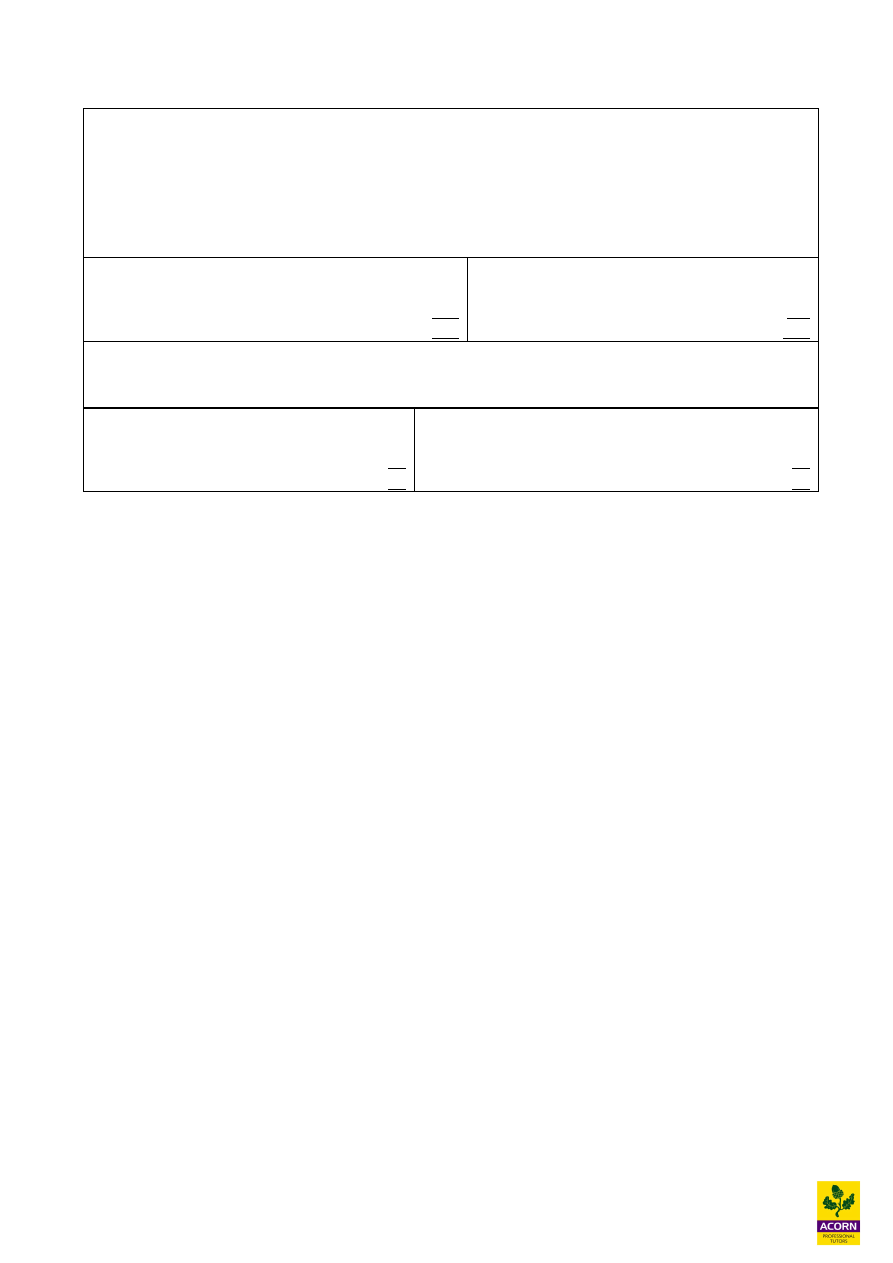
Statement of cash flows for Comsworld for year ending 31/12/X4
£’000
£’000
Cash flow from operating activities
Profit before tax
87
Finance cost
8
Operating profit
95
+ Depreciation
42
Increase in inventory
(4)
Increase in trade receivables
(21)
Increase in trade payables
15
Operating cash flow
127
Interest paid (no accruals b/f or c/f)
(8)
Income taxes paid (W1)
(20)
Net cash flow from operating activities
99
Cash flow from investing activities
Purchase of non-current assets (W2)
(146)
Net cash outflow from investing activities
(146)
Cash flow from financing activities
Issue of share capital (W3)
60
Issue of debentures (80-50)
30
Equity dividends paid (W4)
(22)
Net cash inflow from financing activities
68
Net increase in cash and cash equivalents
21
Cash and cash equivalents at 1
st
January 20X4
(14)
Cash and cash equivalents at 31
st
December 20X4
7
20
Solution to Lecture Example 4.4 – Comsworld cont……
Working 3 - Share capital
Look at both share capital and share premium accounts.
Share capital and share premium
£’000
£’000
Balance b/f (200 + 60)
260
Balance c/f (250 + 70)
320
Bal fig. = cash received
60
320
320
Working 4 - Dividends
Dividends payable
£’000
£’000
Bal fig = dividends paid
22 Balance b/f
16
Balance c/f
18 Dividend for year
24
40
40
Wyszukiwarka
Podobne podstrony:
F1 Cash flow forecasts and managing cash
A Digital Control Technique for a single phase PWM inverter
Analiza finansowa AZF, ANSF03, ˙wiatowe standardy dopuszczaj˙ stosowanie metody bezpo˙redniej i po˙r
A Digital Control Technique for a single phase PWM inve
Analiza wskaznikowa cash flow
Cash flow
cash flow
cash flow
#0668 – Having Cash Flow Problems
ANALIZA CASH FLOW
Cash flow
mopi zadania cash flow
#0569 – Traveling for Singles
Improving Small Business Cash Flow
cash flow praca domowa
więcej podobnych podstron